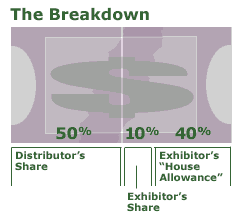
Movie distributors and exhibitors end up splitting movie revenues roughly 50-50, on average. But the actual breakdown is more complicated.
Up front, the theater is given a "house allowance," a chunk of the revenues meant to cover costs such as rent and payroll. This is negotiated on a theater-by-theater basis, depending on factors such as the size of the auditorium and number of screens the movie is being shown on.
The size of this house allowance or "nut," varies by film and is "kind of a touchy subject," as a spokeswoman for the National Amusements theater chain put it. Several exhibition chains contacted refused to discuss the nuts and bolts of their industry.
"There's always been a lot of animosity between distributors and exhibitors over house allowance," Anne Wurtz of Economic Research Associates said. "A lot of distributors feel exhibitors lie about their overhead costs."
After the allowance is taken out, usually 90 percent of the remaining revenue is goes to the distributor.
Also built into the deal is an alternate payment plan called "floor minimums." Typically, a studio will set a minimum of, say, 70 percent for a film's opening week. Under this scenario, if, because of low ticket sales, a 90-10 split of the post-allowance pot would bring the studio less than 70 percent of the total box office gross, then the floor minimum kicks in and the studio takes 70 percent — whether or not that means a loss for the theater.
"Whichever calculation renders a higher amount to the distributor prevails, without regard to a theater making its overhead," Movie Business Book editor Jason Squire explained.
Pressuring theater chains to raise ticket prices is the trend of the past few years, with distributors opening potential hits on many screens in the same market. This results in high revenues on the opening weekend but the films tend to burn out faster. This is bad for exhibitors because the longer the movie runs, the bigger the chunk of the grosses the exhibitor gets to keep.
"The exhibitor will say this is a harsh deal that we have to live with," Squire said. "The distributor will say we will soften the deal the day the exhibitor decides to share concession revenues with us."