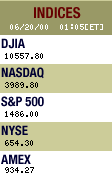
Stocks moved broadly higher today, led by
another advance in high-tech issues, as Microsoft surged on hopes
that the software maker and the government may soon resolve their
longstanding antitrust case.
The Dow Jones industrial average closed up 253.16 at 11,119.86, according to preliminary figures, while the Nasaq composite index rose
75.94 to 4,940.69.
The S&P; 500, which passed 1,500 and reached a new closing high
Wednesday, gained another 26.71 to 1,527.35.
The rally also lifted industrial blue chips as fund managers
scrambled to put their cash to work in the stock market before the
end of the first quarter next week.
"It's been a very strong quarter in terms of tech stocks as
well as flows into mutual funds, so there's a lot of pressure on
fund managers to be fully invested by the end of the quarter,"
said Ricky Harrington, technical analyst at Wachovia Securities in
Charlotte, N.C.
But the real stars of the day were once again the major
high-tech shares, which shot higher from the opening following a
report in The Wall Street Journal that Microsoft and the government
are accelerating their talks toward settling a wide-ranging
antitrust suit. Microsoft closed up 8 5/8 at 112.
Other technology bellwethers also rose. Shares in network
equipment maker Cisco Systems rose, along with Oracle, a
major business software company.
Brian G. Belski, chief investment strategist at George K. Baum &
Co., in Kansas City, said the big moves by tech leaders over the
past few days have been spilling over into smaller tech companies
as well.
"Microsoft, Cisco and Intel have been very strong over the past
few days, and some investors have started to think that they're
missing something," Belski said.
The main exception to the rally was chip maker Intel, which came
off its highs as investors collected some of the stunning 75
percent gains the stock has seen since the beginning of this year.
A sharp rally in the bond market was also making its presence
felt on Wall Street. With fewer places to put their money and
long-term bond yields now well below 6 percent, fund managers were
looking again at stocks to buy in order to put their cash to work
by the end of the quarter.
The runup in the Treasury market was all the more remarkable
since it came on the heels of Tuesday's rate increase by the
Federal Reserve. The Fed has also indicated it intends to raise
rates more, but bond traders appear to be unfazed.
"The bond market is out of control," said Harrington.
"Despite what the Fed has done so far, there's still so much money
out there. Momentum and money flow are driving this market."